Resources
Plain-English articles on simulation and training, with the research linked so you can check it. Studying? Head to the student study hub.

Which VR Headset for Nursing and Clinical Training
How to choose a VR headset for medical and nursing education: 6DoF, standalone vs tethered, passthrough, hand tracking, hygiene, fleet management, room space and budget tiers.
Choosing a headset
- Which VR headset for nursing and clinical training
The full guide, with a comparison table.
- Meta Quest 3 for clinical training
Our recommended headset.
- PICO 4 Ultra Enterprise for clinical training
The enterprise alternative.
- HoloLens 2 end of life
What training teams should do next.
Curriculum maps
NSQHS Standards, HLTAID011/012, Certificate III in Individual Support, the NCSBN Clinical Judgment Measurement Model, and mining and WHS units. Being finalised with our clinical and training advisers.
All articles
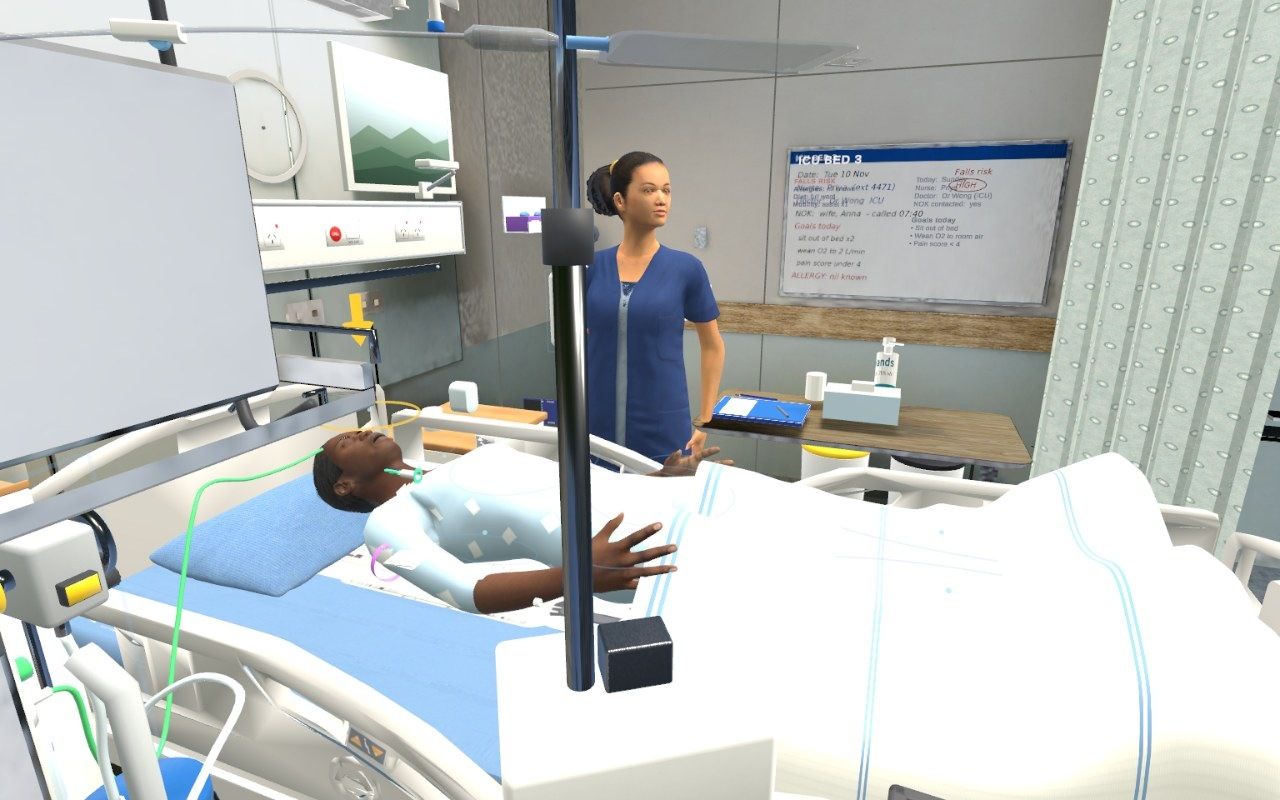
VR in Nursing Education: What the Latest Survey Shows
A Wolters Kluwer and NLN survey found VR use in nursing schools nearly doubled from 15% to 29%, with 53% planning to use it within 2 to 3 years. What that means for your program.
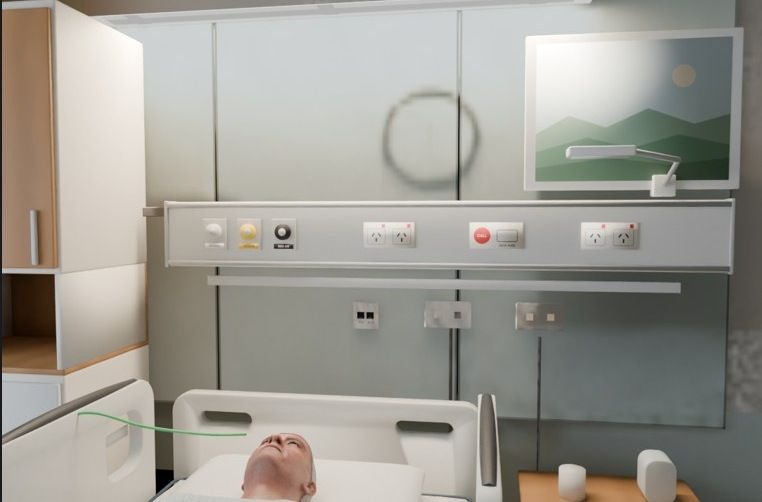
Virtual Clinicals: What Counts and Where VR Fits
What virtual clinicals and virtual simulation in nursing mean, what the NCSBN National Simulation Study found about replacing clinical hours, and how to plan VR into the mix.
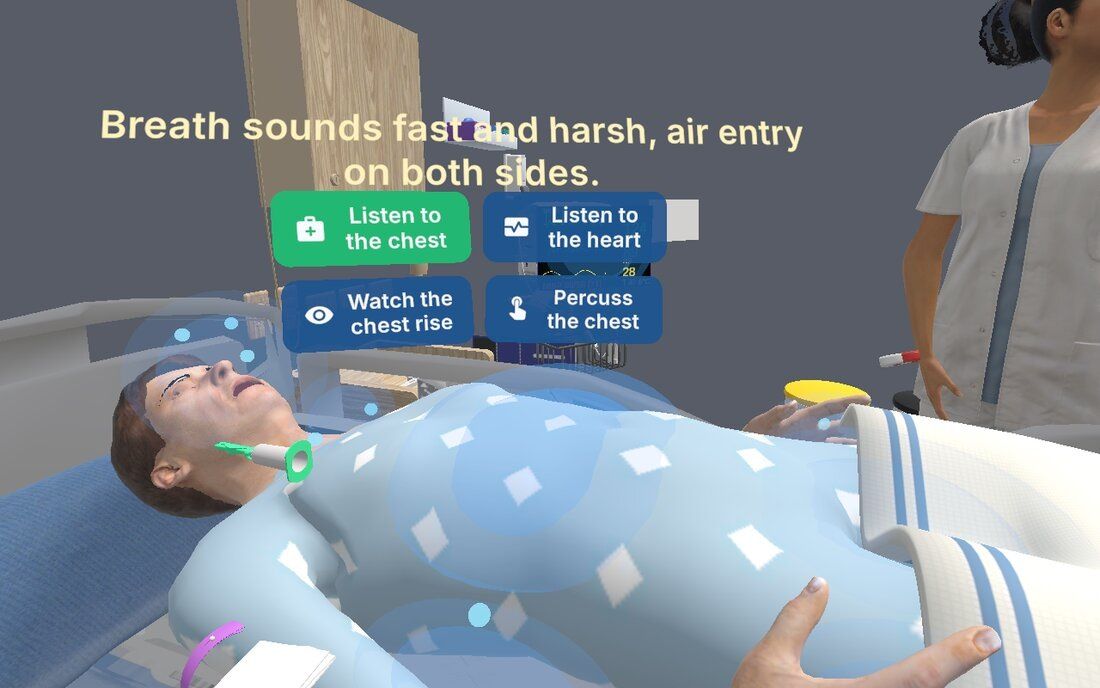
The Clinical Judgment Model, Explained for Simulation
The NCSBN Clinical Judgment Measurement Model in plain English: the six cognitive skills, and how a simulated patient lets students practise each one.
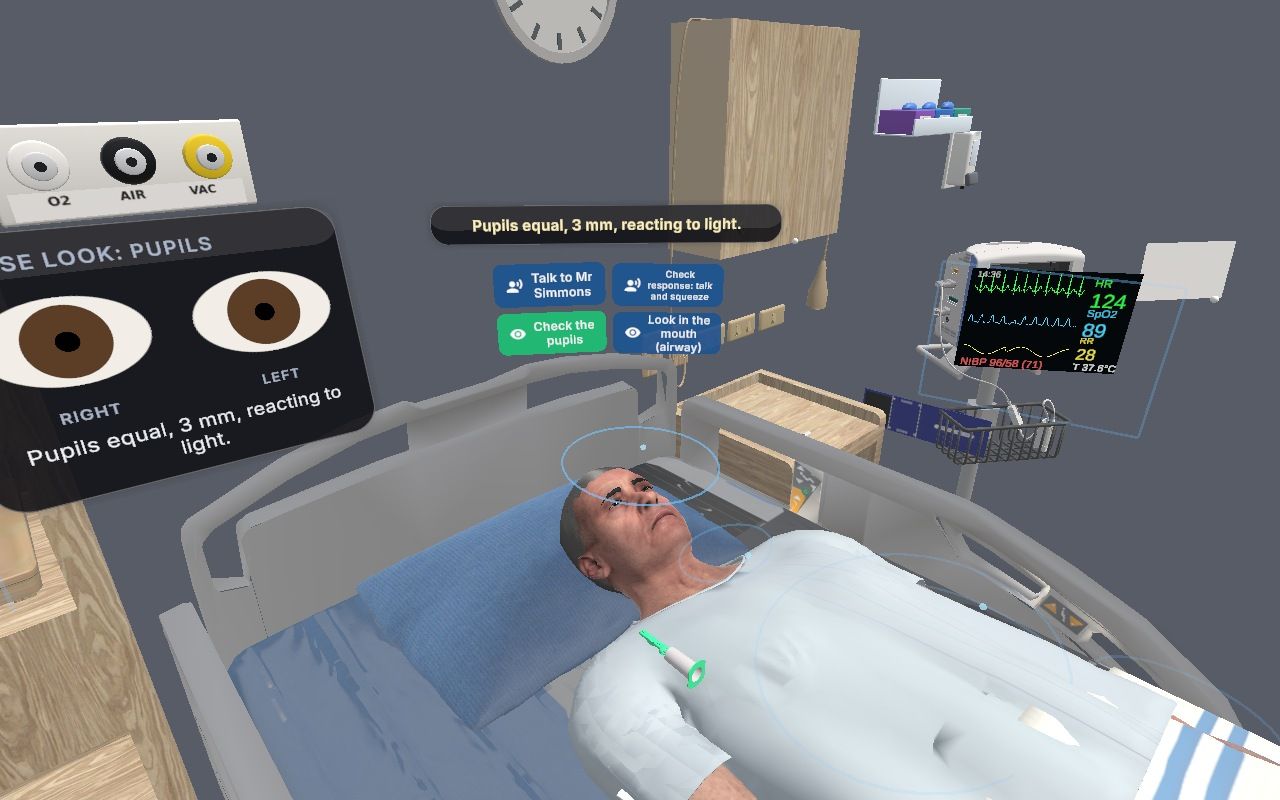
Critical Thinking Activities for Nursing Students (That Are Not Quizzes)
Simulation-based critical thinking practice for nursing students: activities that build cue recognition, prioritisation and reflection, from case discussion to VR scenarios.
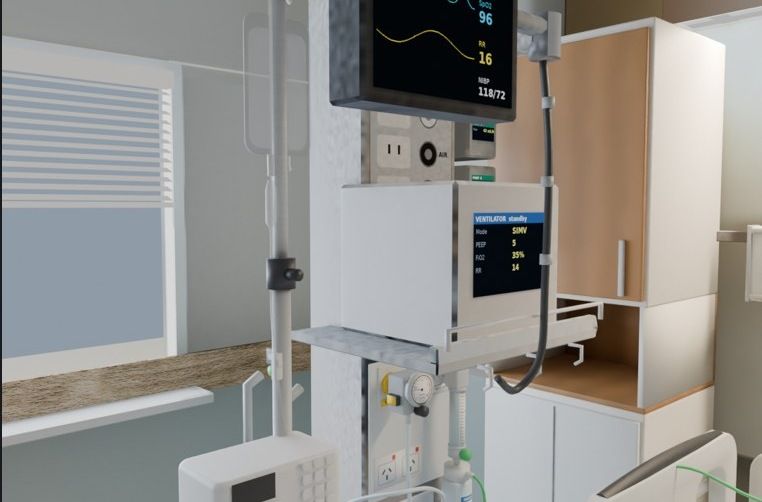
High Acuity: What Acuity Means in Healthcare
Acuity meaning in medical and nursing terms, what makes a patient high acuity, why it drives staffing and priorities, and how to practise high-acuity care safely.
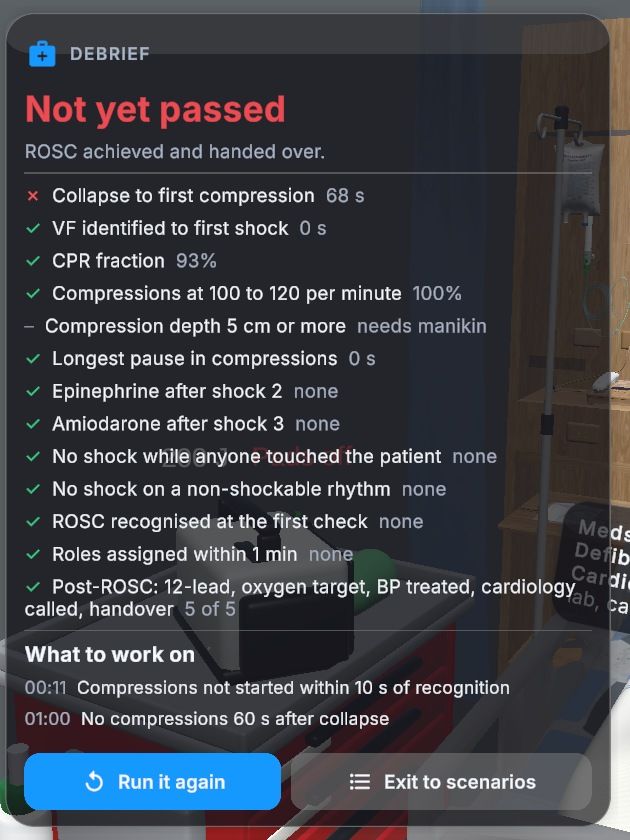
Debriefing in Simulation: What Good Looks Like
Debriefing in healthcare simulation, what the INACSL standard asks for, and how a scored, timed debrief in VR supports the facilitator rather than replacing them.
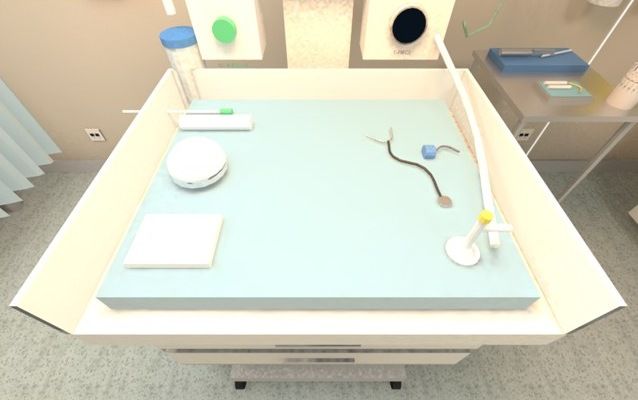
Postpartum Haemorrhage Simulation: Planning a Scenario That Teaches
Why postpartum haemorrhage (postpartum hemorrhage) is a priority for simulation, what a good PPH scenario practises, and where VR fits beside obstetric drills.
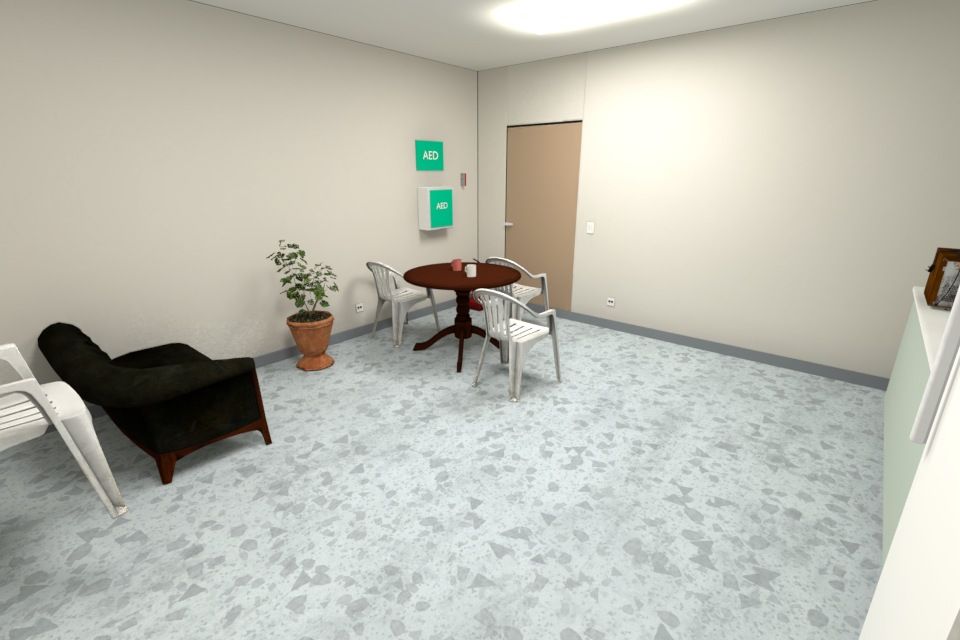
Agonal Breathing: Why Gasping Is Not Breathing
What agonal breathing is, why it fools bystanders, and what ANZCOR says to do: if someone is unresponsive and not breathing normally, start CPR.
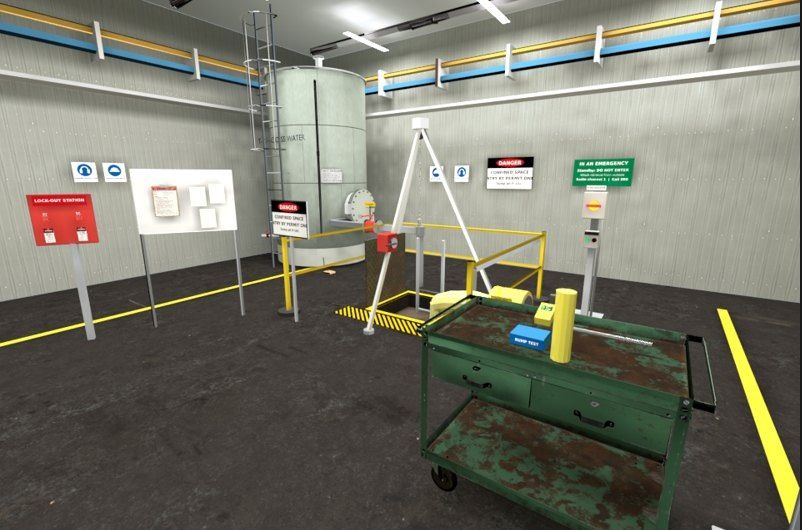
What Mines Rescue Brigades Said They Need From VR
Research with NSW mine rescue brigades found clear training needs and clear limits of 360 VR. What they asked for, and what it means for VR safety training.
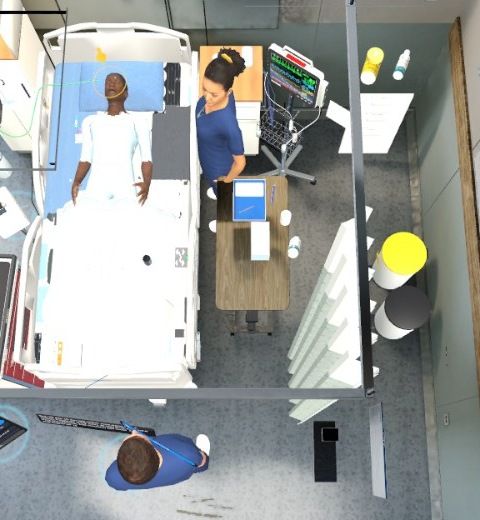
360 Video Training vs Interactive Simulation
360 video lets trainees look. Interactive simulation lets them act. A practical guide to choosing, with findings from mine rescue VR research.


Topics by industry
Nursing education
- Which VR Headset for Nursing and Clinical Training
- VR in Nursing Education: What the Latest Survey Shows
- Virtual Clinicals: What Counts and Where VR Fits
- The Clinical Judgment Model, Explained for Simulation
- Critical Thinking Activities for Nursing Students (That Are Not Quizzes)
- High Acuity: What Acuity Means in Healthcare
- Debriefing in Simulation: What Good Looks Like
- Postpartum Haemorrhage Simulation: Planning a Scenario That Teaches
- Scenarios for nursing education
See it in a headset
Book a 30-minute demo. We will run a scenario live, talk through your training units and scope a pilot that fits your team.
